Salmon is one of those ingredients I keep in regular rotation because it adapts so easily to different moods and schedules. This teriyaki salmon is what I make when I want something that feels polished but doesn’t demand much effort. The sauce is sweet, savory, and gently garlicky, and once it hits the salmon, it turns into that glossy glaze everyone loves.

I’ve made this on busy weeknights and also for slower dinners when I want the table to feel a bit special. No matter how it’s cooked, it always disappears quickly.
What This Recipe Feels Like in Real Life
This dish hits that sweet spot between comfort food and dinner-guest worthy. The teriyaki sauce clings to the salmon without overpowering it, and the fish stays tender and juicy. You can marinate if time allows, though skipping it still gives great results.
What I enjoy most is how flexible it is. Bake it, grill it, or use sous vide if you want complete control. Serve it simply on a plate or turn it into a bowl with rice and vegetables.
Ingredients That Make It Work
-
Salmon fillets – Skin-on or skin-off both work, though skin-on helps protect the fish
-
Soy sauce – Provides depth and seasoning
-
Maple syrup – Adds gentle sweetness without heaviness
-
Fresh ginger – Keeps the sauce lively
-
Garlic – Adds warmth and balance
-
Chinese rice wine – Rounds out the sauce
-
Cornstarch – Thickens the glaze just enough
-
Green onions – Fresh finish
-
Salt and black pepper – Light seasoning
Each ingredient plays a role without crowding the plate.
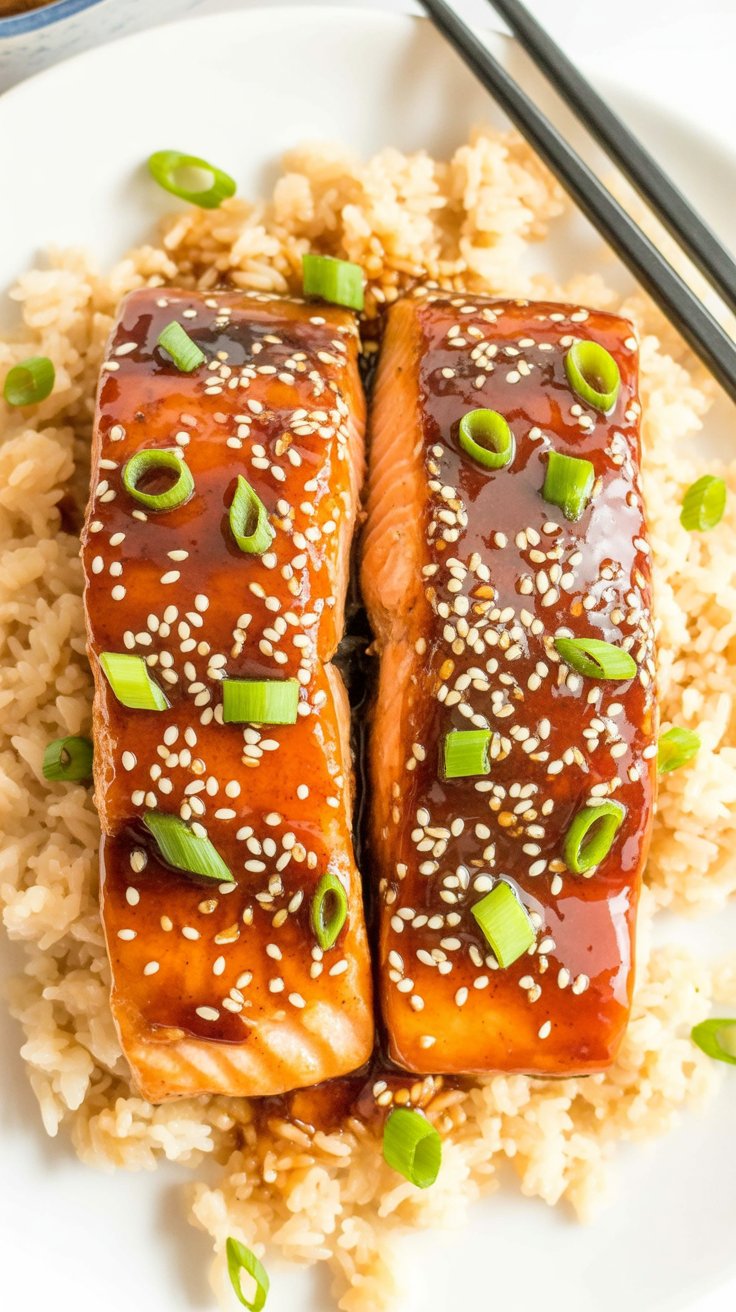
How I Make Teriyaki Salmon at Home
Mixing the Sauce
I whisk together soy sauce, water, ginger, garlic, maple syrup, and rice wine. Half becomes the marinade if I’m using one, and the rest stays aside for glazing later.
Marinating the Salmon
If I have time, I let the salmon sit in the sauce for about twenty minutes. This deepens the flavor, though it’s not required.
Cooking the Salmon
For baking, the salmon goes onto a lined tray, seasoned lightly, and cooks just until it flakes easily. Sous vide gives the most even texture, and grilling adds a light char that works beautifully with the glaze.
Glazing and Serving
The reserved sauce gets thickened with cornstarch, then spooned over the cooked salmon. I finish it with green onions and sesame seeds.
Tips I’ve Learned Cooking Salmon Often
-
Leave the skin on during cooking to protect the flesh
-
Pull salmon off the heat early and let it rest
-
Use gentle heat to keep the fish moist
-
The center should look warm pink, not dry
These small habits make a big difference.
What I Like to Serve With It
White rice is the classic choice, though brown rice, quinoa, or noodles work well too. I often add roasted vegetables or something fresh like mango or a citrusy salad. Turning it into a bowl makes leftovers feel brand new.
FAQs
How do I know when salmon is done?
It should flake easily and look opaque with a warm pink center.
Is marinating required?
No. Marinating adds flavor, though skipping it still gives a great result.
What internal temperature works best?
Around 130–135°F keeps salmon juicy and tender.
Can store-bought teriyaki sauce be used?
Yes, though homemade gives better balance and control.
Does sous vide make a difference?
It keeps the texture extremely even and prevents overcooking.
Sous Vide Teriyaki Salmon
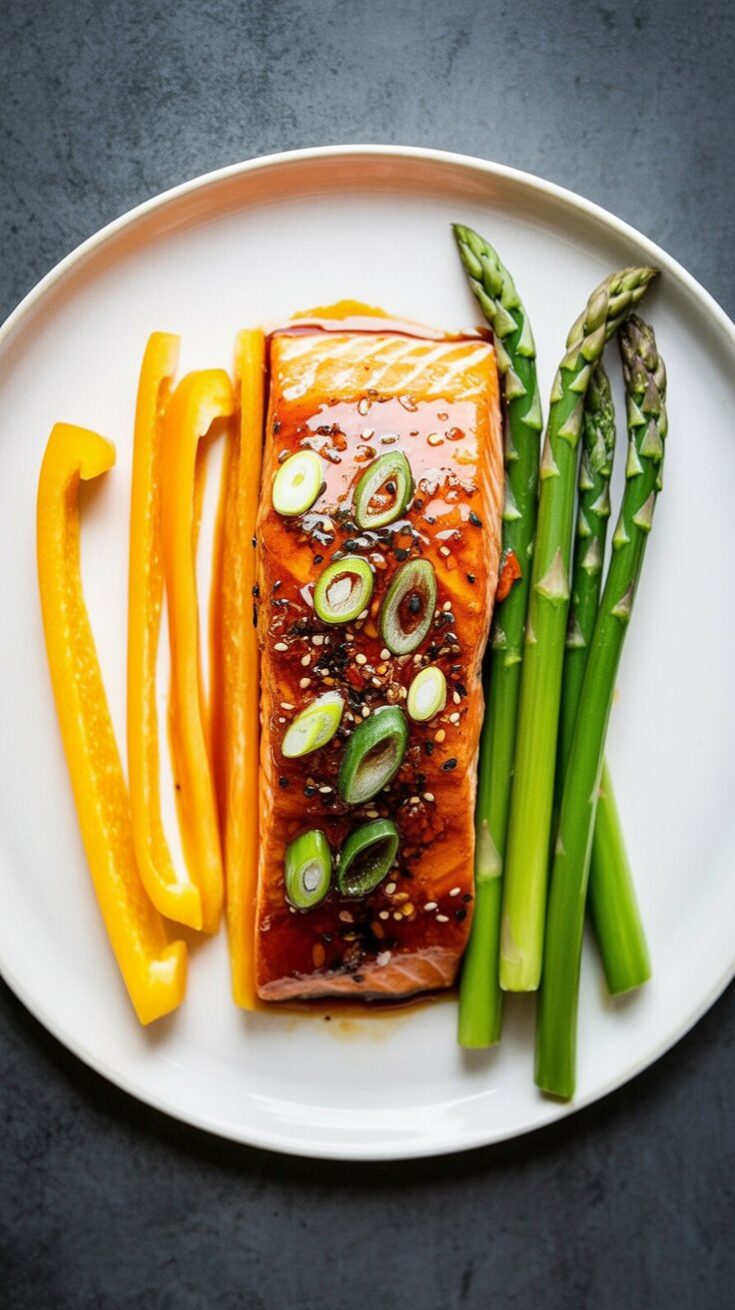
This teriyaki salmon is tender, glossy, and packed with sweet-savory flavor from a quick homemade glaze with garlic and ginger.
Ingredients
- 1 pound salmon fillets, cut into portions
- Salt and black pepper, to taste
- 1 green onion, finely chopped
- 1/4 cup soy sauce
- 1/4 cup water
- 3 tablespoons maple syrup, honey, or brown sugar
- 1/2 teaspoon minced garlic
- 1/2 teaspoon grated ginger
- 1 tablespoon mirin, cooking wine, or dry sherry
- Pinch of red pepper flakes, optional
- 1 teaspoon cornstarch
- Optional garnish: sesame seeds, chopped green onions, chives, shredded nori, or citrus zest
Instructions
- Heat the oven to 425°F and line a baking tray with parchment paper or lightly greased foil.
- In a small bowl, stir together the soy sauce, water, sweetener, garlic, ginger, mirin, and red pepper flakes if using. Set aside a portion of the sauce for glazing later.
- If time allows, place the salmon in a shallow dish and pour half of the sauce over it, letting it sit briefly to absorb flavor. This step can be skipped if needed.
- Arrange the salmon on the prepared baking tray with the skin side down. Season lightly with salt and pepper, then sprinkle with chopped green onion. Roast until the fish flakes easily and is just cooked through.
- While the salmon cooks, whisk the cornstarch into the reserved sauce. Heat it until slightly thickened, stirring until smooth. Adjust the consistency with a splash of water if needed.
- Transfer the salmon to a serving plate, gently separating it from the skin if desired. Spoon the warm teriyaki glaze over the top and finish with your choice of garnishes. Serve warm or at room temperature.
Nutrition Information
Yield
3Serving Size
1Amount Per Serving Calories 382Total Fat 19gSaturated Fat 4gUnsaturated Fat 15gCholesterol 96mgSodium 1253mgCarbohydrates 18gFiber 0gSugar 14gProtein 35g
Easy Shrimp Recipes.com, occasionally offers nutritional information for recipes contained on this site. This information is provided as a courtesy and is an estimate only. This information comes from online calculators. Although allchickenrecipes.com attempts to provide accurate nutritional information, these figures are only estimates.
Final Thought
This teriyaki salmon is the kind of recipe that fits real life. It’s flexible, reliable, and full of flavor without feeling heavy or fussy. Whether you’re plating it simply or building a bowl around it, it’s one of those dishes that makes dinner feel easy and satisfying at the same time.